Warehouse-to-Store Logistics: Streamlining Your Supply Chain


Understanding Warehouse-to-Store Logistics
In the fast-paced world of retail, effective warehouse-to-store logistics play a critical role in maintaining a competitive edge. As consumer expectations rise, ensuring that products move swiftly and efficiently from warehouses to store shelves can make a significant difference in customer satisfaction and overall business performance. Streamlining this aspect of your supply chain not only enhances operational efficiency but also helps in reducing costs and improving service levels.

Key Components of Efficient Logistics
To streamline your warehouse-to-store logistics, it's essential to focus on several key components. These include inventory management, transportation, and communication systems. Effective inventory management ensures that you have the right products in the right quantities at the right time. Leveraging technology like RFID tags and automated inventory systems can significantly improve accuracy and visibility.
Transportation is another critical component. Choosing the right fleet, optimizing delivery routes, and maintaining a reliable schedule can minimize delays and reduce transportation costs. Additionally, investing in modern communication systems can facilitate seamless information flow between warehouses, stores, and transportation providers.
Leveraging Technology for Better Outcomes
Technology plays a pivotal role in enhancing warehouse-to-store logistics. Advanced software solutions provide real-time data insights that aid in decision-making. Implementing a robust Warehouse Management System (WMS) can optimize warehouse operations, reducing errors and improving order fulfillment speed.
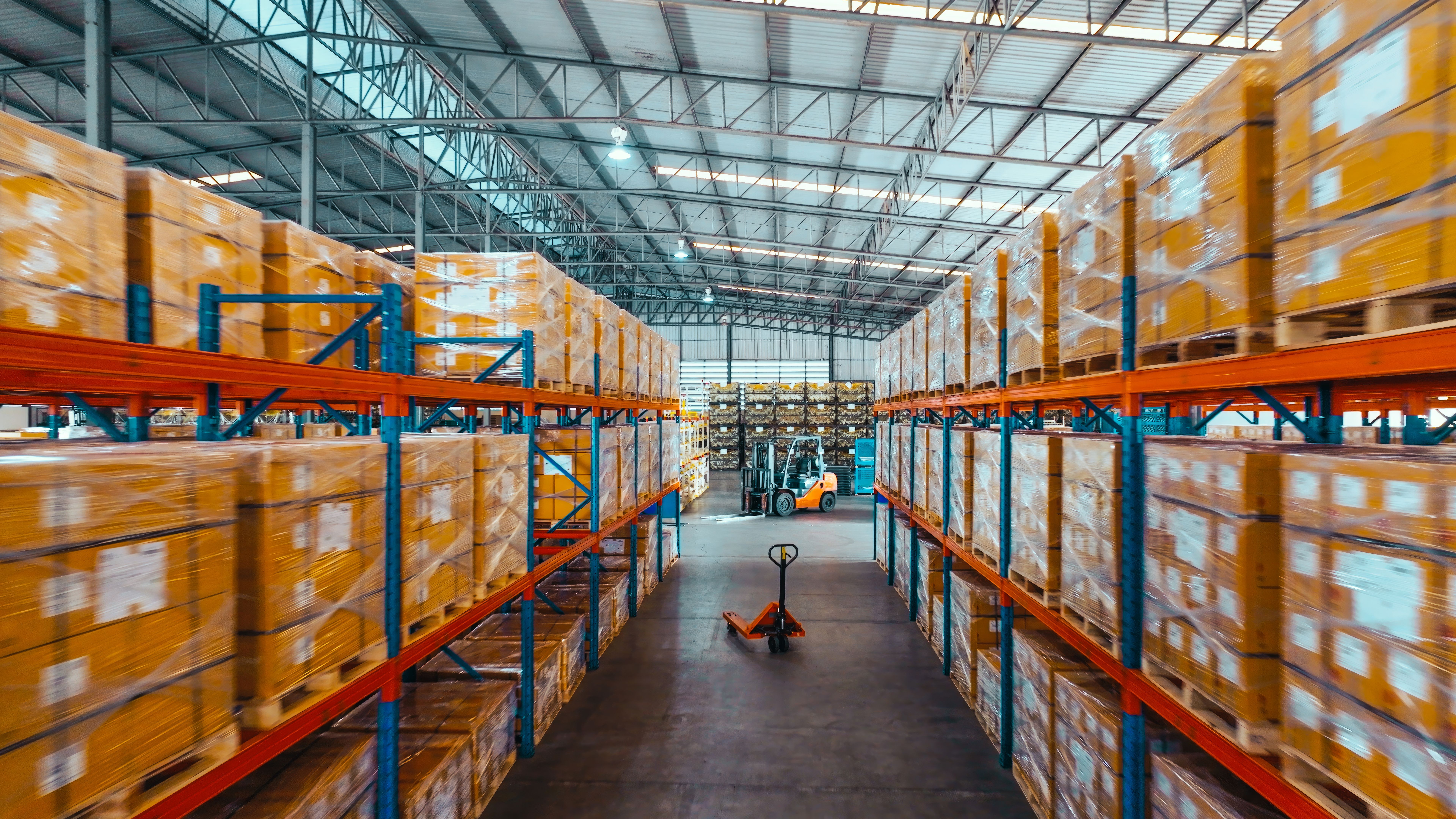
Moreover, integrating Internet of Things (IoT) devices can offer unparalleled visibility into your supply chain processes. IoT sensors help track shipment conditions, offering data on temperature, humidity, and location, which is particularly valuable for perishable goods. Such innovations ensure that products reach stores in optimal condition.
Best Practices for Streamlined Logistics
Adopting best practices can significantly enhance your logistics operations. Consider the following strategies:
- Forecasting Demand: Accurate demand forecasting helps in efficient inventory management and reduces overstock or stockouts.
- Cross-Docking: Minimizes warehousing needs by transferring products directly from inbound to outbound transport.
- Collaborative Planning: Working closely with suppliers and retailers ensures alignment and reduces lead times.
The Role of Data Analytics
Data analytics is transforming the logistics landscape by offering insights that drive strategic decisions. By analyzing patterns and trends, businesses can optimize their supply chain operations. Predictive analytics can forecast potential disruptions, allowing companies to proactively address issues before they impact delivery timelines.
Furthermore, analyzing historical data helps in identifying bottlenecks within the supply chain. This information can be used to implement targeted improvements, ensuring that logistics processes remain smooth and efficient.
Conclusion: The Path to Improved Logistics
In conclusion, optimizing warehouse-to-store logistics is crucial for enhancing supply chain efficiency. By focusing on key components like inventory management, transportation, and communication systems, businesses can achieve significant improvements. Leveraging technology and data analytics further boosts these efforts, ensuring that products reach store shelves promptly and in excellent condition. By implementing best practices and staying adaptable to changing market demands, companies can successfully streamline their logistics operations and maintain a competitive edge in the retail sector.