Understanding Warehouse-to-Store Logistics: Ensuring a Seamless Supply Chain


Introduction to Warehouse-to-Store Logistics
In the world of retail, ensuring products move smoothly from warehouses to store shelves is crucial. This intricate process, known as warehouse-to-store logistics, plays a vital role in maintaining a seamless supply chain. Retailers who master this element can reduce costs, improve customer satisfaction, and gain a competitive edge.
The Importance of Efficient Logistics
Effective logistics management ensures that products are delivered on time, in the right quantity, and in perfect condition. This not only enhances customer satisfaction but also reduces the likelihood of stockouts and overstock situations. For retailers, efficient logistics can mean the difference between profit and loss.
Key Components of Warehouse-to-Store Logistics
Several core components contribute to the success of warehouse-to-store logistics:
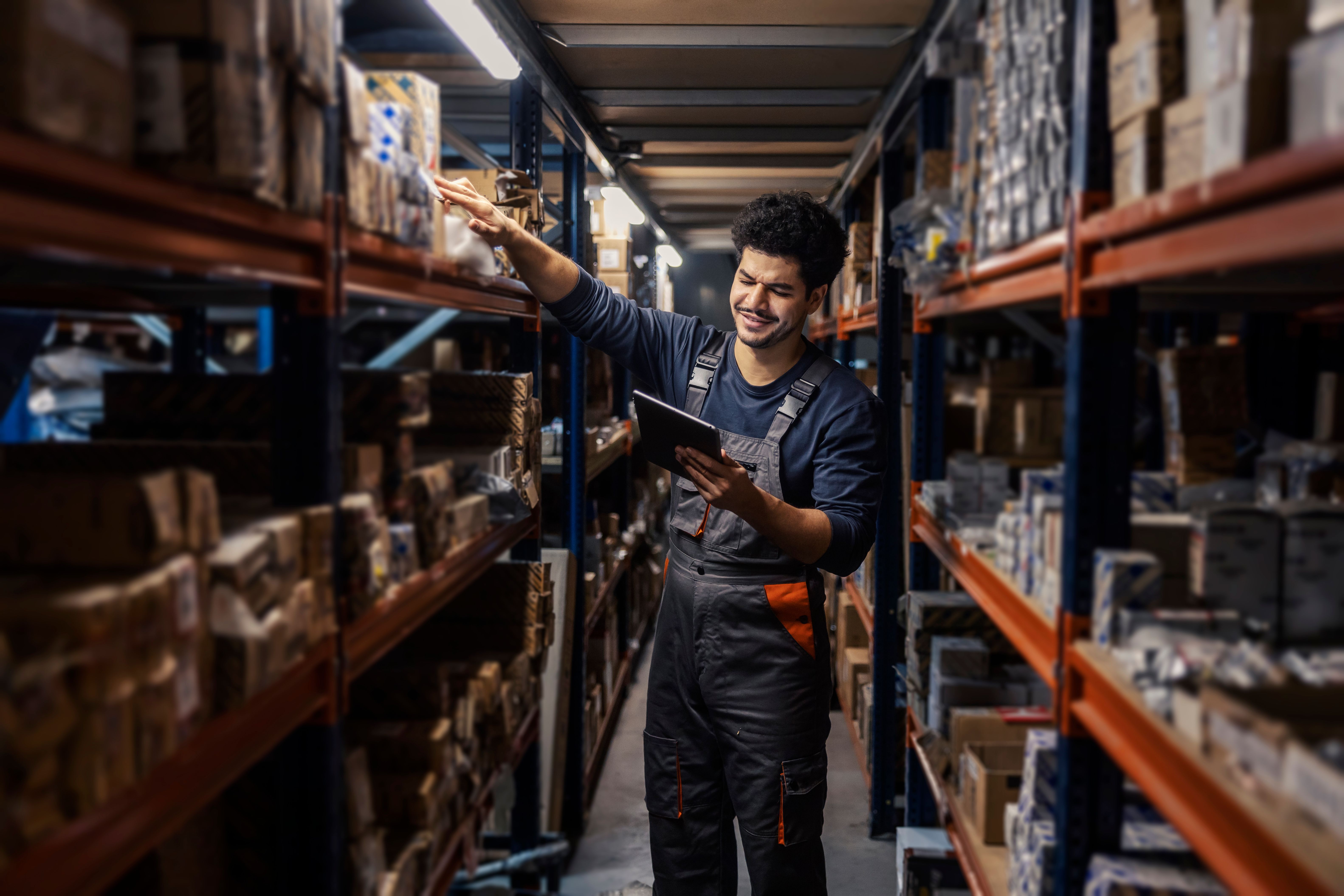
- Inventory Management: Keeping track of stock levels to meet demand without overstocking.
- Transportation: Selecting the best modes and routes for delivery.
- Order Processing: Efficiently handling orders to ensure timely dispatch.
Strategies for Improving Logistics
Improving logistics requires a strategic approach. Here are some effective strategies:
- Implement Technology: Utilize software solutions for real-time tracking and analytics.
- Optimize Routes: Use data to determine the most efficient delivery routes.
- Enhance Communication: Maintain open lines of communication between warehouse staff and store managers.
The Role of Technology
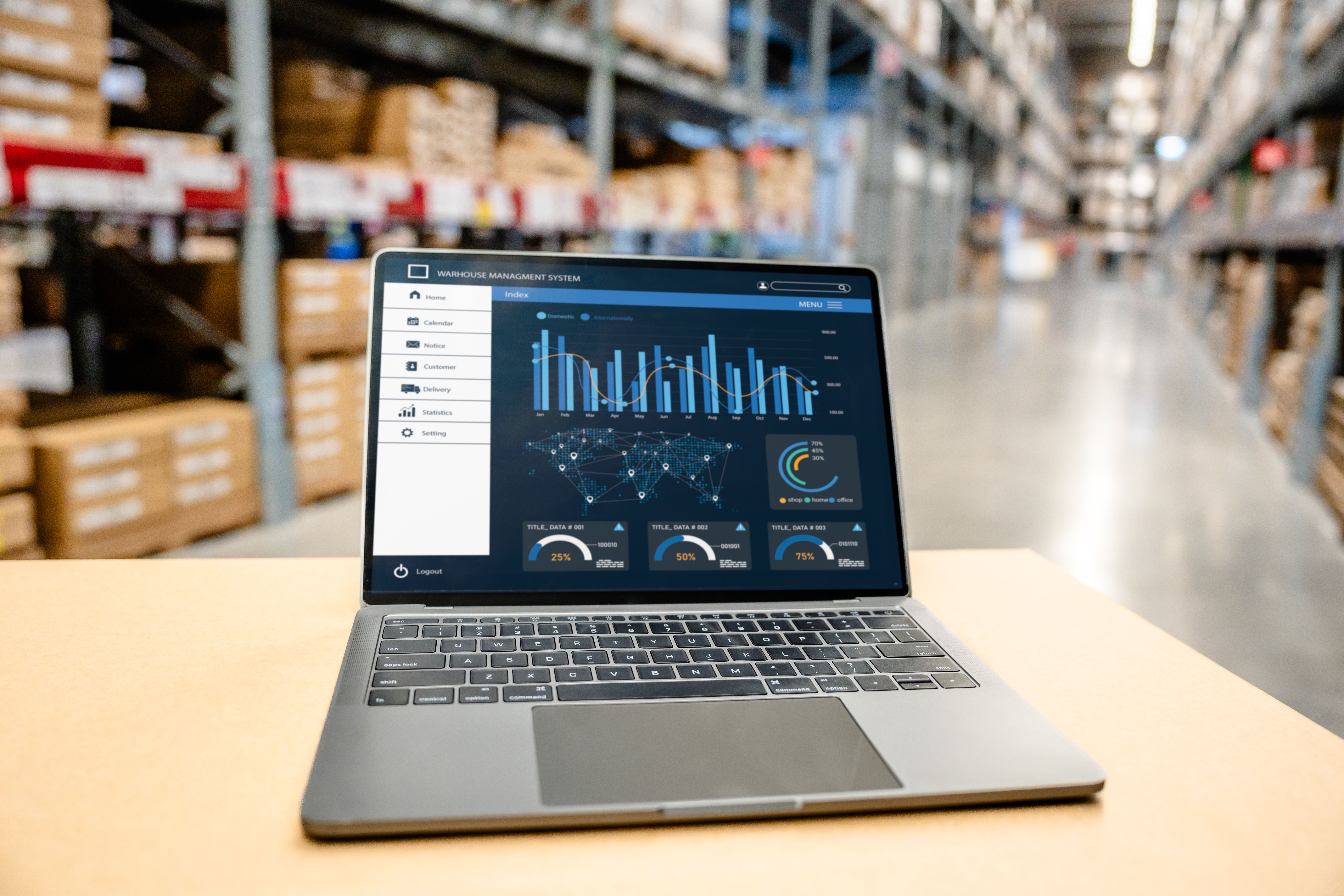
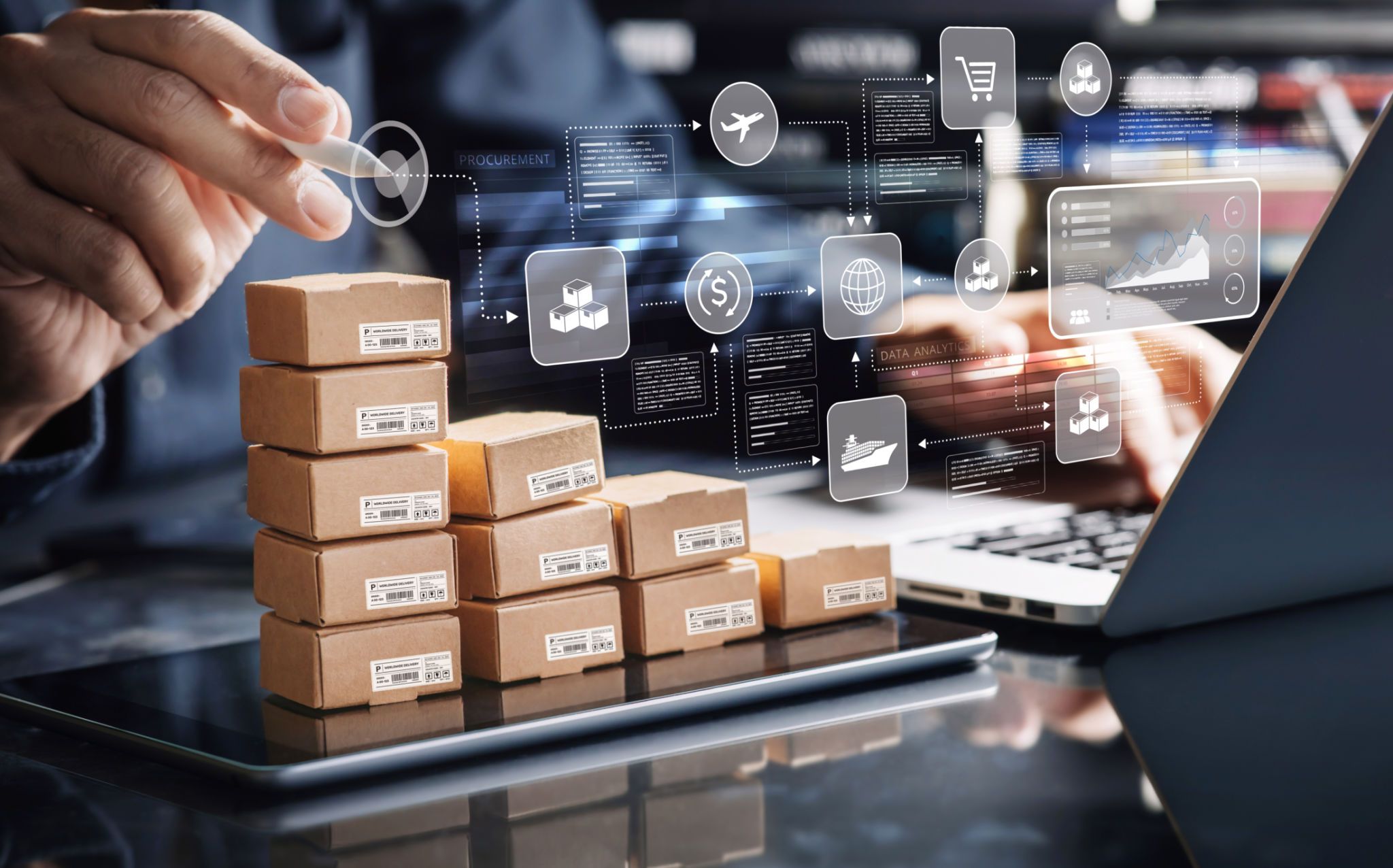
Technology plays a transformative role in modern logistics. Solutions such as Warehouse Management Systems (WMS) and Transportation Management Systems (TMS) allow for real-time tracking, predictive analytics, and automated processes. These tools help streamline operations and minimize errors.
Challenges in Logistics
Despite advancements, logistics still face several challenges, including fluctuating demand, supply chain disruptions, and rising transportation costs. Addressing these challenges requires a proactive approach and continuous improvement.
Conclusion
Understanding and optimizing warehouse-to-store logistics is essential for retailers aiming to thrive in a competitive market. By focusing on key components, leveraging technology, and addressing challenges head-on, businesses can ensure a seamless supply chain that meets customer expectations and drives success.