The Ultimate Guide to Warehouse-to-Store Logistics in Metro Vancouver


Understanding Warehouse-to-Store Logistics
Warehouse-to-store logistics play a crucial role in ensuring that products are available to consumers when and where they need them. In Metro Vancouver, the bustling business environment demands efficiency and precision. This guide provides an overview of the logistics process, highlighting key strategies and considerations for businesses.
Proper logistics management involves coordinating the movement of goods from warehouses to retail locations. This process requires careful planning and real-time monitoring to meet consumer demand and minimize costs.
Key Elements of Efficient Logistics
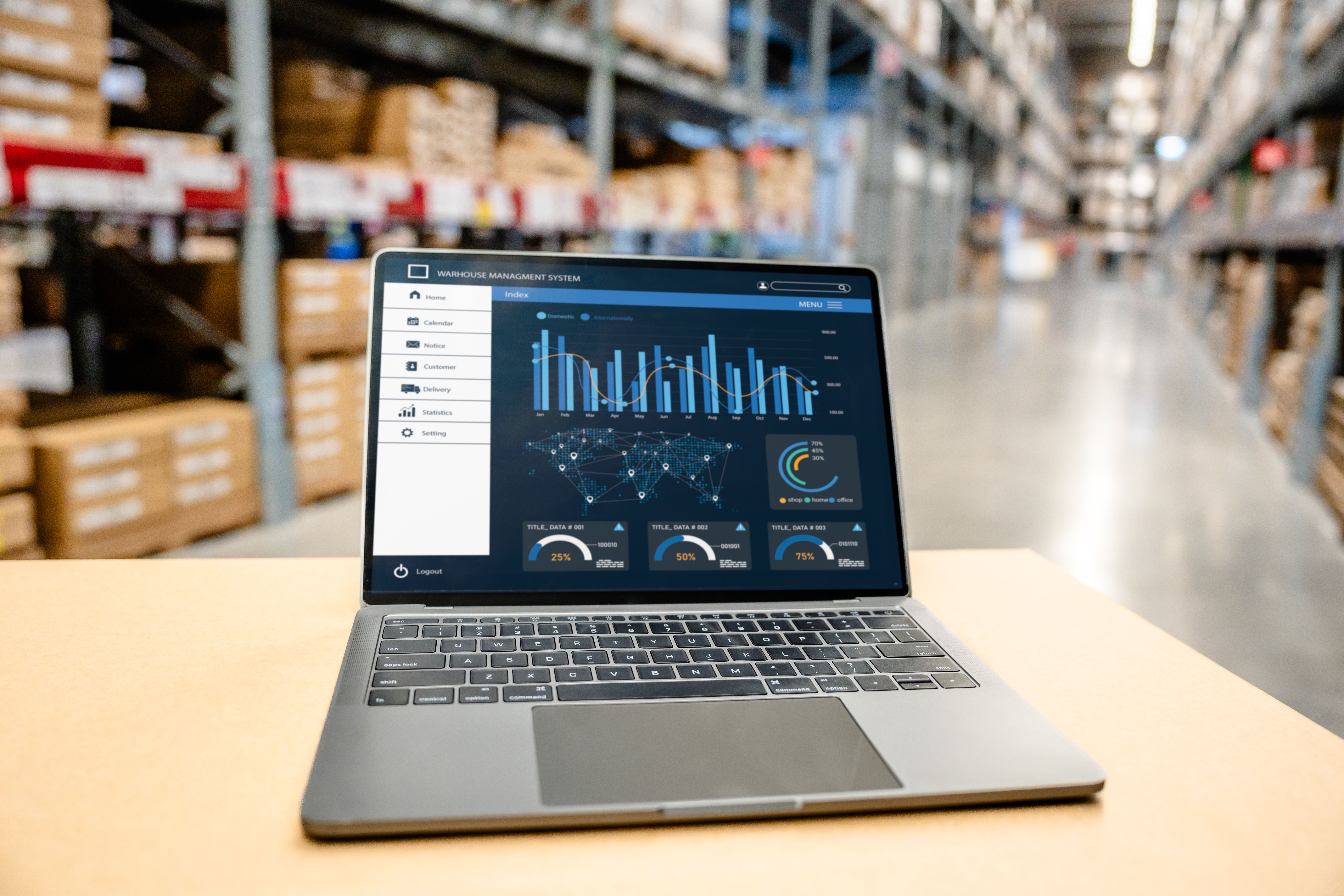
Several elements contribute to successful warehouse-to-store logistics. These include inventory management, transportation, and technology integration. Businesses must ensure that inventory levels are accurately tracked to prevent overstocking or stockouts. This requires the use of sophisticated inventory management systems.
Transportation is another critical factor. Choosing the right transportation methods can impact delivery speed and cost. In Metro Vancouver, traffic patterns and environmental considerations often influence these decisions.
Technology's Role in Logistics
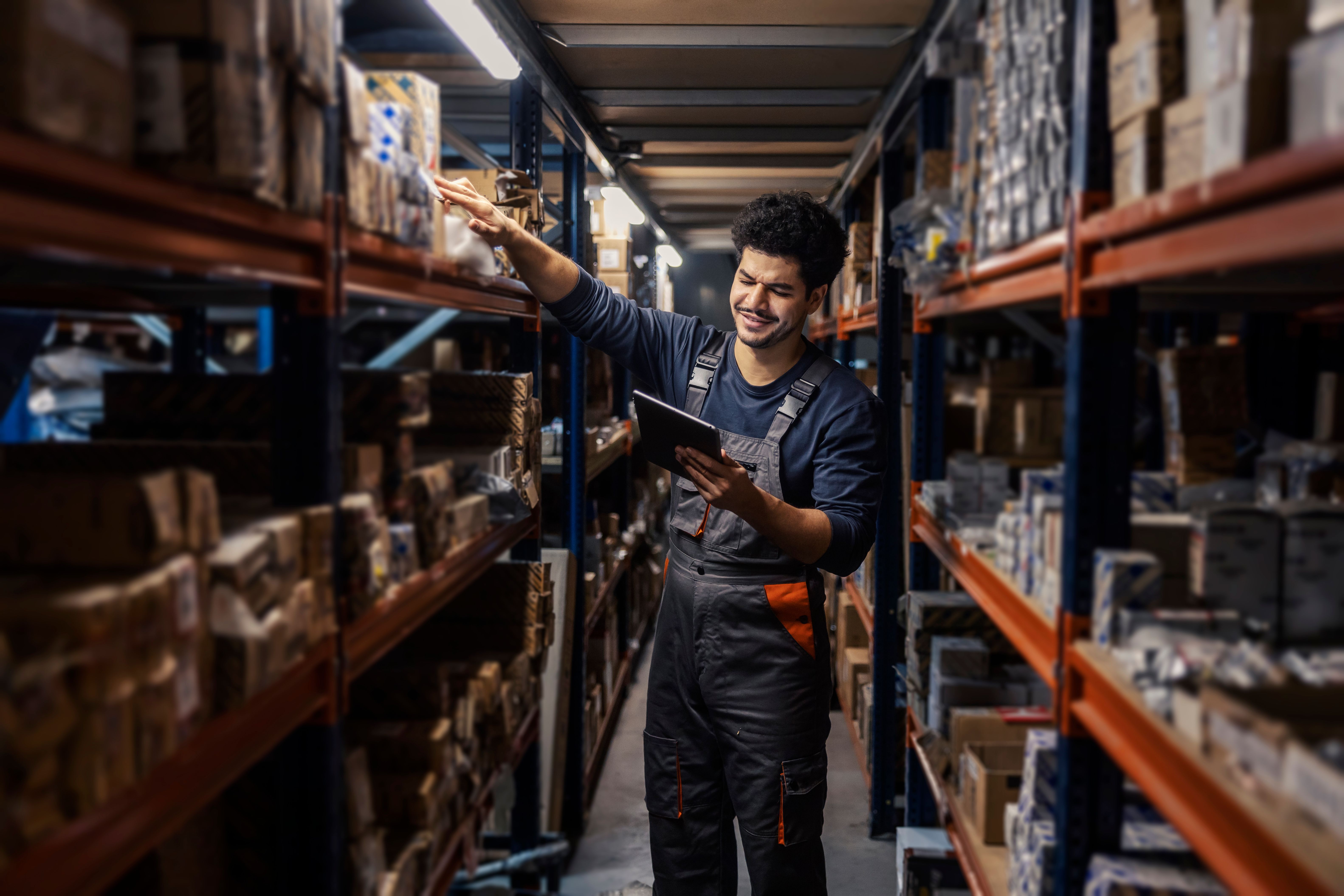
Technology is revolutionizing logistics by providing tools for better tracking and management. Real-time data analytics allows businesses to make informed decisions quickly, optimizing routes and improving delivery times. Implementing a robust logistics management system can also enhance communication between warehouses and retail stores.
Automation is another technological advancement that can streamline operations. Automated systems can handle repetitive tasks, freeing up human resources for more strategic activities.
Challenges in Metro Vancouver
Metro Vancouver's unique geographical and urban landscape presents specific logistics challenges. The region's dense population and traffic congestion can complicate delivery schedules. Additionally, environmental regulations require businesses to consider sustainable practices in their logistics operations.

Weather conditions, such as rain and snow, also impact logistics. Companies must be prepared to adapt quickly to changing conditions to maintain delivery schedules and customer satisfaction.
Strategies for Success
To succeed in warehouse-to-store logistics in Metro Vancouver, businesses should focus on strategic planning and flexibility. This includes conducting regular audits of logistics processes to identify areas for improvement. Collaborating with local experts and partners can also provide valuable insights into the region's unique challenges.
Investing in employee training ensures that staff are equipped with the latest knowledge and skills to manage logistics effectively. Encouraging innovation and continuous improvement can lead to more efficient and responsive logistics operations.
- Implement advanced inventory management systems.
- Optimize transportation routes for efficiency.
- Leverage technology for real-time data and automation.
- Plan for weather and environmental impacts.
- Conduct regular process audits and training.
In conclusion, mastering warehouse-to-store logistics in Metro Vancouver requires a combination of strategic planning, technology integration, and adaptability. By focusing on these areas, businesses can ensure efficient operations and maintain a competitive edge in the market.