The Ultimate Guide to Urban Delivery Fleet Optimization in Metro Vancouver


In the bustling urban environment of Metro Vancouver, efficient delivery fleet management is crucial for businesses looking to thrive. As the demand for quick and reliable delivery services continues to rise, optimizing your delivery fleet can be the key to maintaining a competitive edge.
Understanding the Challenges
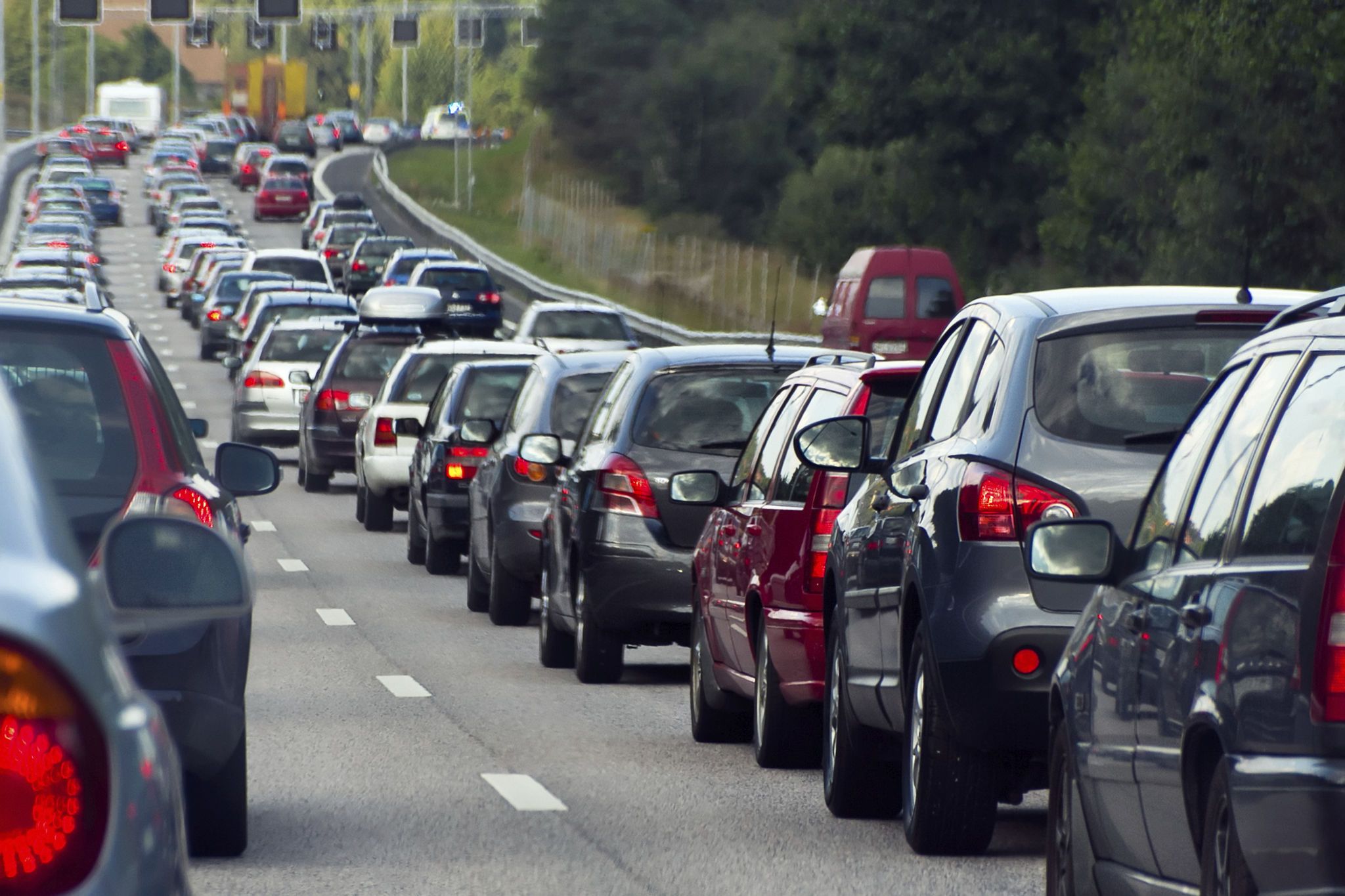
Urban delivery in Metro Vancouver presents unique challenges. The region's growing population and diverse geography can lead to traffic congestion, increased delivery times, and higher operational costs. Understanding these challenges is the first step towards effective optimization.
Moreover, environmental concerns and regulatory requirements also play a significant role. Businesses need to consider eco-friendly practices to reduce their carbon footprint, which can be particularly challenging in a densely populated area.
Implementing Technology for Efficiency
Integrating technology into your fleet management system is essential for improving efficiency. Modern GPS tracking and route optimization software can significantly reduce delivery times by identifying the most efficient paths. This technology not only saves time but also helps in reducing fuel consumption.
Fleet management apps and real-time data analytics provide insights into driver performance and vehicle maintenance needs. By leveraging this technology, businesses can make informed decisions to enhance productivity and reduce downtime.

Adopting Sustainable Practices
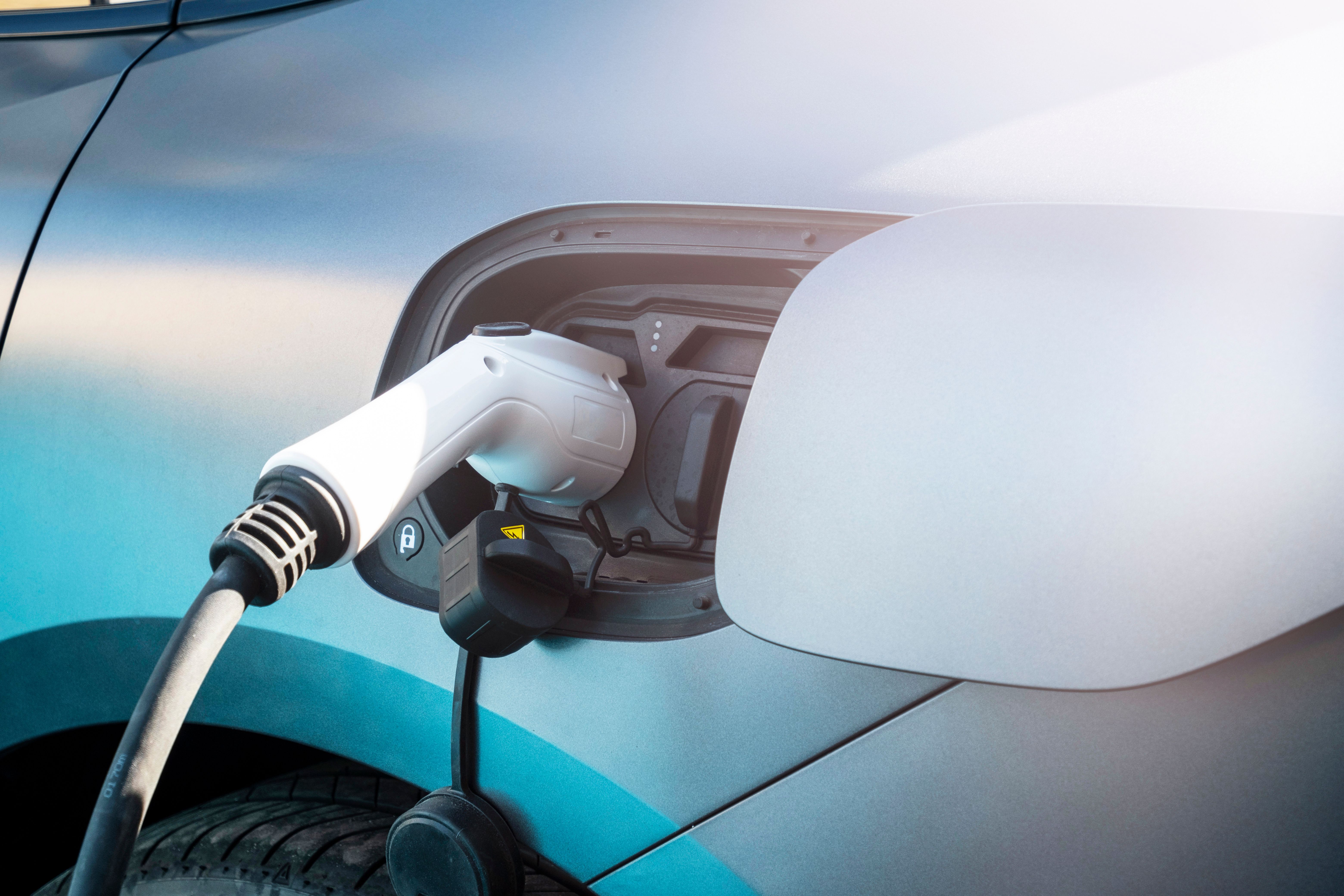
Adopting sustainable practices is not just beneficial for the environment; it can also improve your brand image and customer satisfaction. Consider incorporating electric or hybrid vehicles into your fleet to decrease emissions and comply with local regulations.
Additionally, implementing a rigorous maintenance schedule ensures your vehicles are operating efficiently, further reducing emissions and saving on fuel costs. This proactive approach can lead to significant long-term savings.
Training and Driver Engagement
Investing in driver training programs is crucial for optimizing fleet operations. Well-trained drivers are more likely to follow best practices for fuel efficiency and safe driving, which can lead to fewer accidents and lower insurance premiums.
Engaging drivers through incentives and feedback can also boost morale and performance. By recognizing and rewarding efficient driving habits, businesses can foster a culture of continuous improvement.
Monitoring and Continuous Improvement
Optimization is an ongoing process. It's important to regularly monitor performance metrics and adjust strategies accordingly. Key performance indicators (KPIs) such as delivery time, fuel consumption, and customer feedback should be consistently reviewed.
By committing to continuous improvement, businesses can adapt to changing conditions and ensure that their delivery operations remain efficient and cost-effective.