The Role of Technology in Modern Logistics: A Look at Freight Force's Innovations


The Impact of Technology on Logistics
In today's fast-paced world, technology plays a pivotal role in modern logistics, transforming how goods are transported and managed. From advanced tracking systems to automated warehouses, technology has streamlined operations and increased efficiency across the industry. One company at the forefront of these innovations is Freight Force, which has implemented cutting-edge solutions to stay ahead of the competition.
Freight Force's Cutting-Edge Tracking Systems
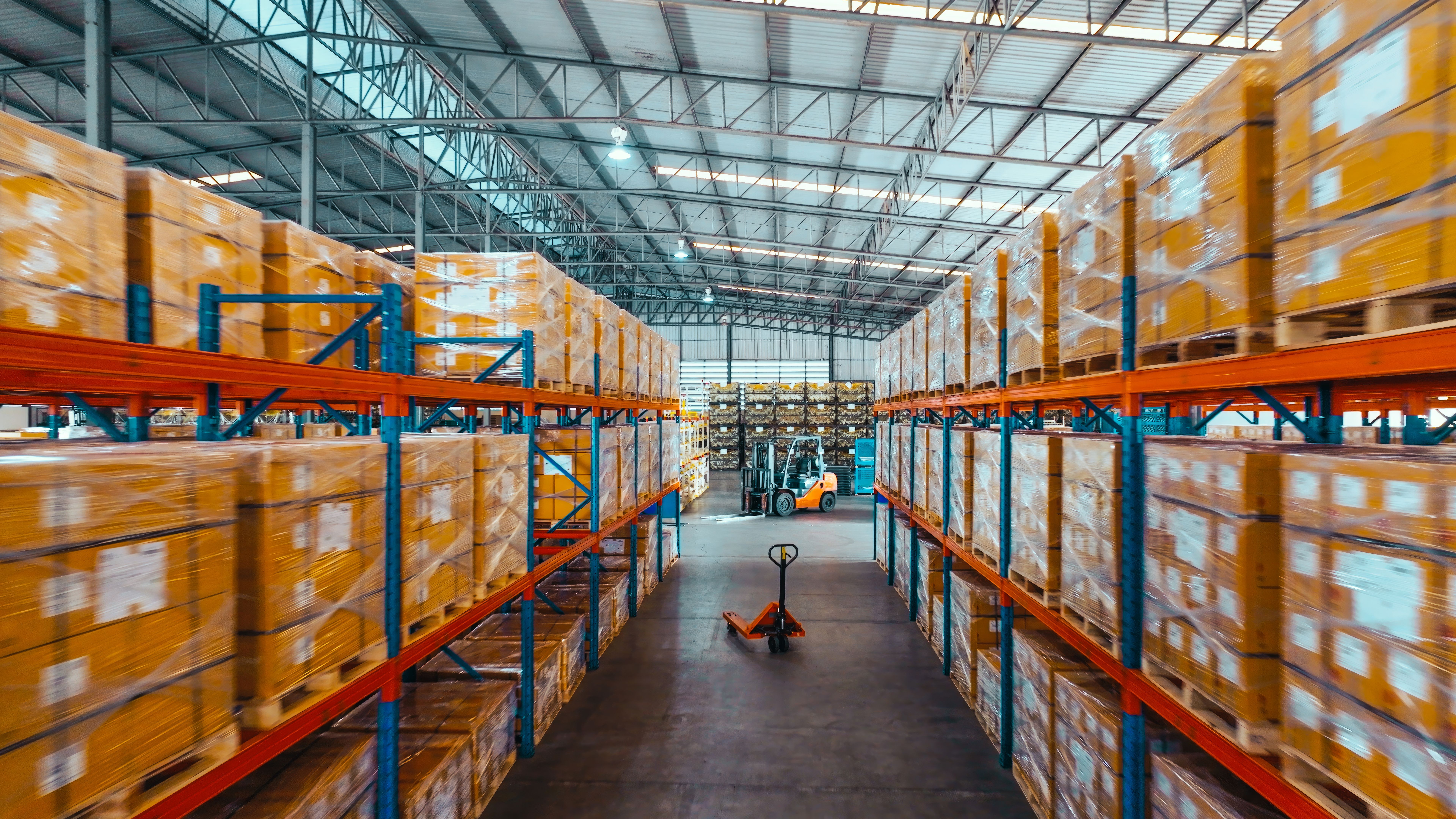
A major innovation by Freight Force is their deployment of advanced tracking systems. These systems utilize GPS technology to provide real-time insights into the location and status of shipments. This not only enhances transparency but also enables businesses to optimize routes, reduce delays, and improve customer satisfaction.
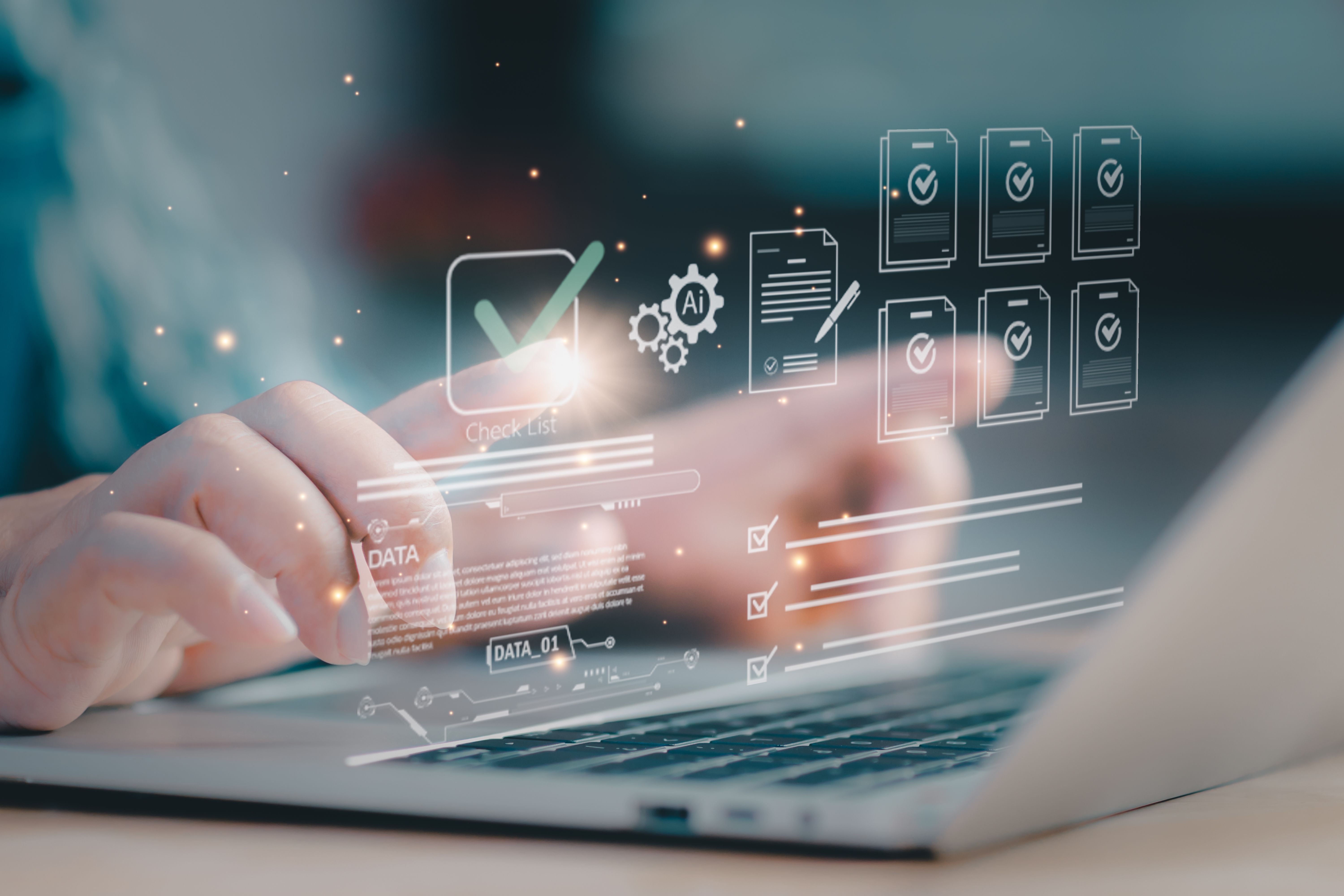
Additionally, Freight Force's tracking technology offers predictive analytics, which allows companies to anticipate potential disruptions and make informed decisions to mitigate risks. This proactive approach ensures that shipments arrive on time and in perfect condition.
Automation in Warehousing
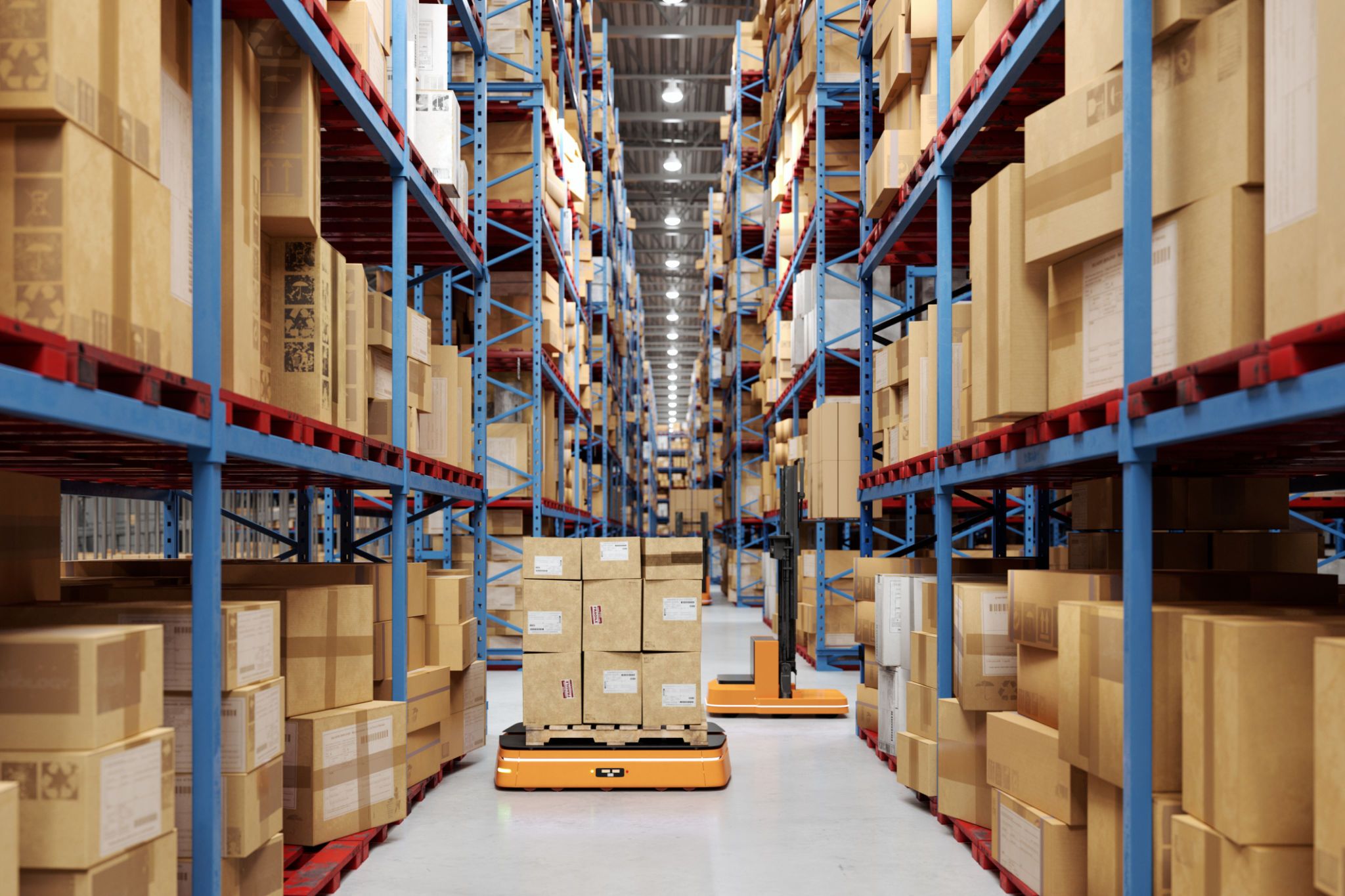
Another significant advancement is Freight Force's use of automated warehouses. These facilities leverage robotics and AI to handle tasks that were traditionally done manually. Automated warehouses increase the speed and accuracy of picking, packing, and sorting goods, reducing human error and labor costs.
With these innovations, Freight Force can manage larger volumes of goods more efficiently, allowing for faster turnaround times and improved inventory management. This technological edge gives them a significant advantage in the competitive logistics market.
Streamlined Communication with IoT
The Internet of Things (IoT) is another technology that Freight Force has harnessed to enhance communication within their logistics operations. IoT devices facilitate seamless interaction between vehicles, warehouses, and control centers, ensuring that every part of the supply chain is synchronized and functioning optimally.
By integrating IoT into their operations, Freight Force has improved the accuracy of data collection and analysis, providing valuable insights into performance metrics and enabling data-driven decision-making.
Environmental Benefits of Technological Advancements
Technology not only improves efficiency but also supports sustainability efforts. Freight Force has implemented eco-friendly solutions such as electric vehicles and energy-efficient warehouses, reducing their carbon footprint. These initiatives reflect a commitment to environmental responsibility, aligning with global efforts to combat climate change.
By investing in sustainable technologies, Freight Force not only meets regulatory requirements but also appeals to environmentally conscious clients who prioritize green logistics solutions.
Looking Ahead: The Future of Logistics Technology
As technology continues to evolve, Freight Force remains dedicated to exploring new innovations that can further enhance their logistics capabilities. The future holds exciting possibilities, including the integration of autonomous vehicles and advanced AI algorithms to further optimize supply chain management.
The role of technology in modern logistics is undeniable, and companies like Freight Force are leading the way in leveraging these advancements to create more efficient, sustainable, and customer-centric logistics solutions. As the industry continues to evolve, the potential for growth and innovation is limitless.