The Future of Logistics: Trends Shaping Warehouse-to-Store Deliveries


Introduction to Warehouse-to-Store Deliveries
The logistics landscape is undergoing a significant transformation, driven by technological advancements and changing consumer expectations. As e-commerce continues to grow, the efficiency and speed of warehouse-to-store deliveries have become crucial. Retailers are constantly seeking innovative ways to streamline this process, ensuring that products reach customers faster and more efficiently than ever before.
Impact of Automation and Robotics
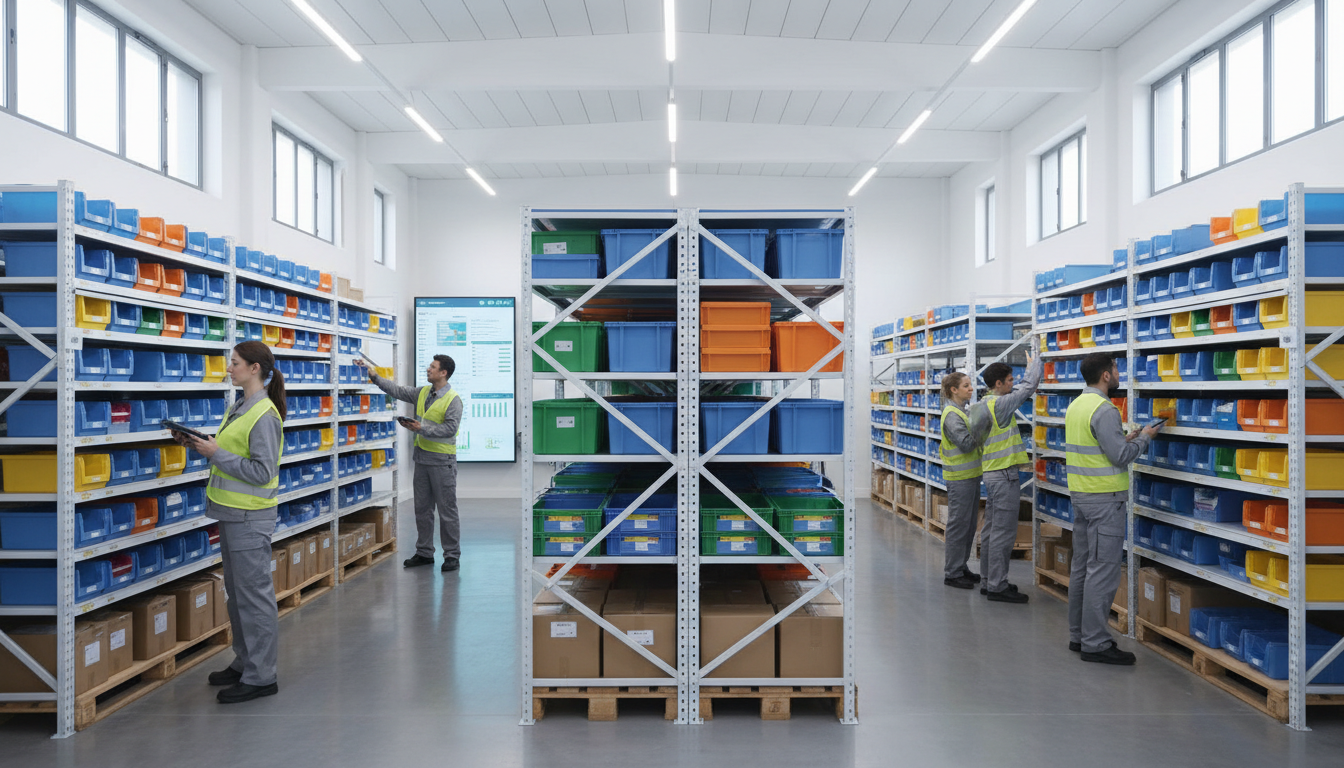
Automation is revolutionizing logistics by increasing the speed and accuracy of warehouse operations. Robotics are now handling repetitive tasks such as sorting, packing, and moving inventory, reducing human error and operational costs. This shift not only boosts efficiency but also allows human workers to focus on more complex tasks that require critical thinking.
The Rise of Automated Guided Vehicles (AGVs)
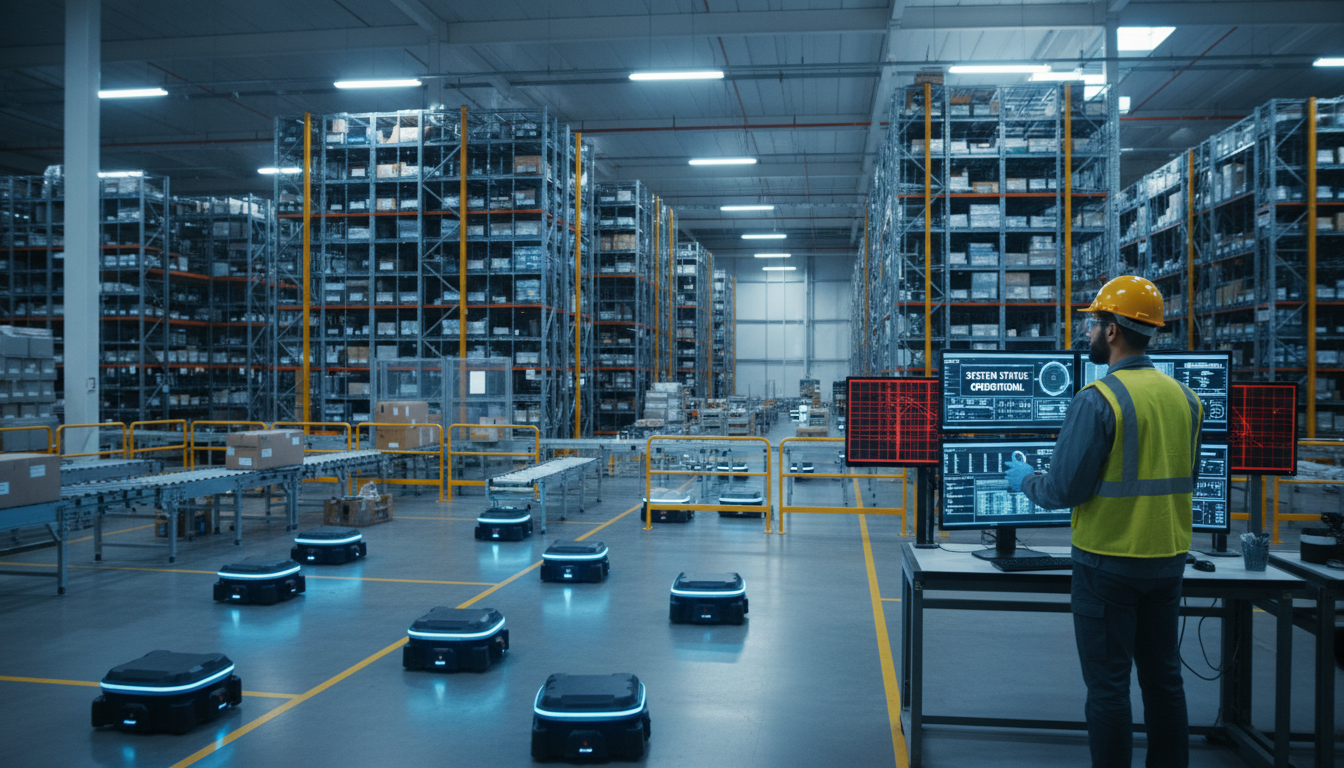
AGVs are becoming more prevalent in warehouses, transporting goods with precision and reliability. These vehicles are equipped with advanced sensors and navigation systems, enabling them to operate in dynamic environments alongside human workers.
Embracing Data Analytics and AI
Data analytics and artificial intelligence are key drivers in optimizing warehouse-to-store deliveries. By analyzing historical data and real-time information, companies can predict demand, optimize routes, and manage inventory more effectively. AI-powered systems help in making informed decisions that enhance the overall logistics performance.
Predictive Analytics for Improved Decision-Making
Predictive analytics leverages data to forecast demand trends and inventory needs. This proactive approach minimizes overstocking or understocking, ensuring products are available when and where they are needed.

Sustainability in Logistics
As environmental concerns grow, sustainability has become a pivotal focus in logistics. Companies are adopting eco-friendly practices to reduce their carbon footprint. This includes using electric vehicles for deliveries, optimizing packaging, and implementing energy-efficient warehouse operations.
Green Logistics Initiatives
Green logistics involves strategies such as route optimization to reduce fuel consumption, utilizing renewable energy sources, and recycling packaging materials. These initiatives not only contribute to environmental conservation but also enhance brand reputation.
Conclusion: The Road Ahead
The future of warehouse-to-store deliveries is bright, with technology playing a central role in shaping efficient and sustainable logistics practices. As trends continue to evolve, businesses must stay agile, embracing innovations that drive performance and meet consumer demands. By doing so, they can ensure a competitive edge in an increasingly complex market.