The Benefits of Warehouse-to-Store Logistics for Retailers


The Importance of Efficient Warehouse-to-Store Logistics
In the competitive world of retail, efficient logistics can be the difference between success and failure. One of the most crucial components of this logistics chain is the movement of goods from warehouse to store. This process not only affects inventory levels but also influences customer satisfaction and overall profitability.
Enhancing Inventory Management
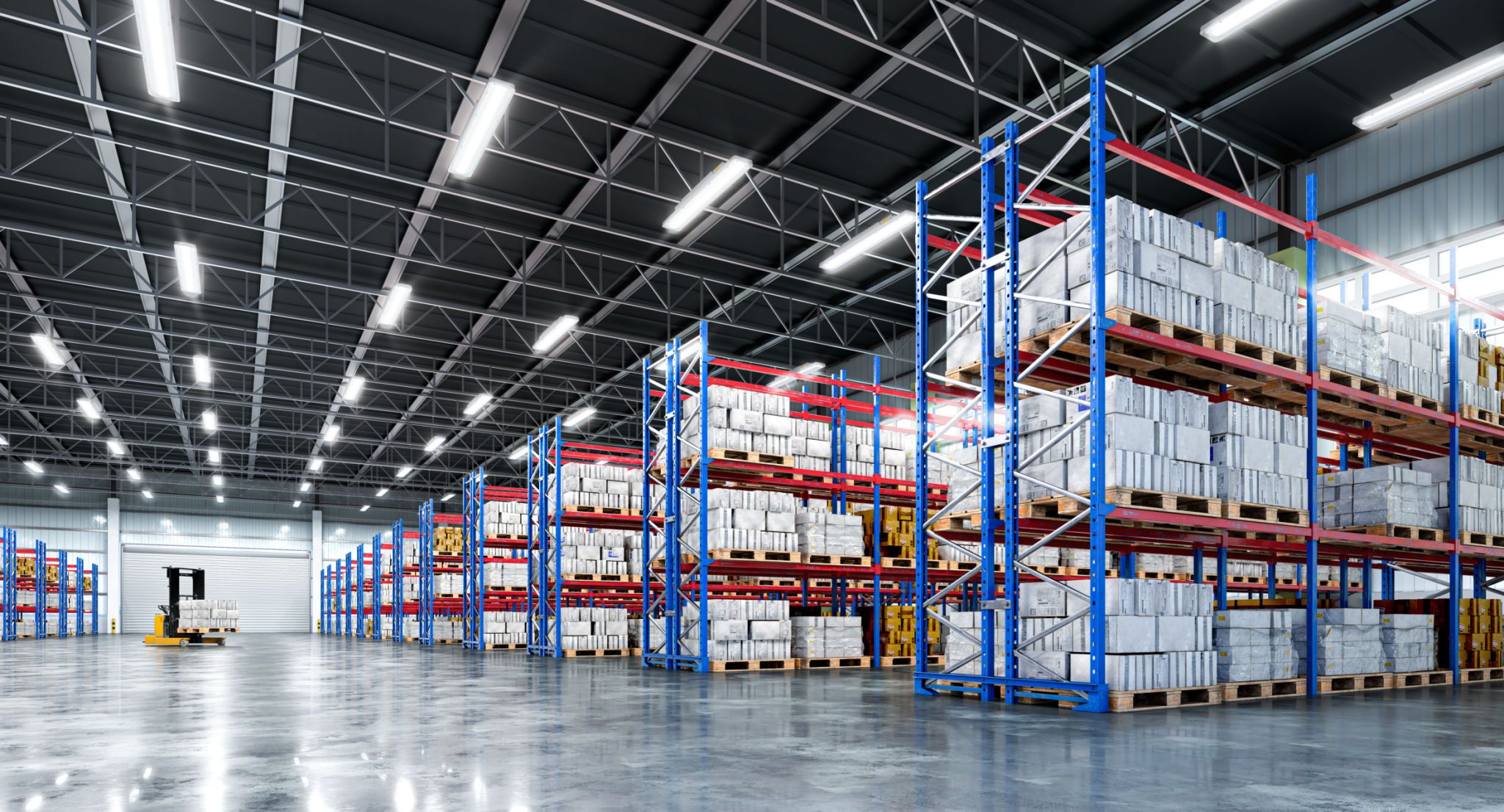
Warehouse-to-store logistics plays a vital role in managing inventory effectively. By streamlining this process, retailers can ensure that stores have the right products at the right time. This minimizes the risk of overstocking or stockouts, both of which can have negative financial impacts.
Implementing a robust logistics strategy allows for real-time tracking of inventory, which aids in making informed decisions about restocking and distribution. This level of insight is invaluable for maintaining optimal inventory levels and reducing waste.
Reducing Transportation Costs
Effective logistics can significantly reduce transportation costs. By optimizing routes and consolidating shipments, retailers can lower the expenses associated with moving goods from warehouses to stores. This not only saves money but also reduces fuel consumption, contributing to more sustainable business practices.
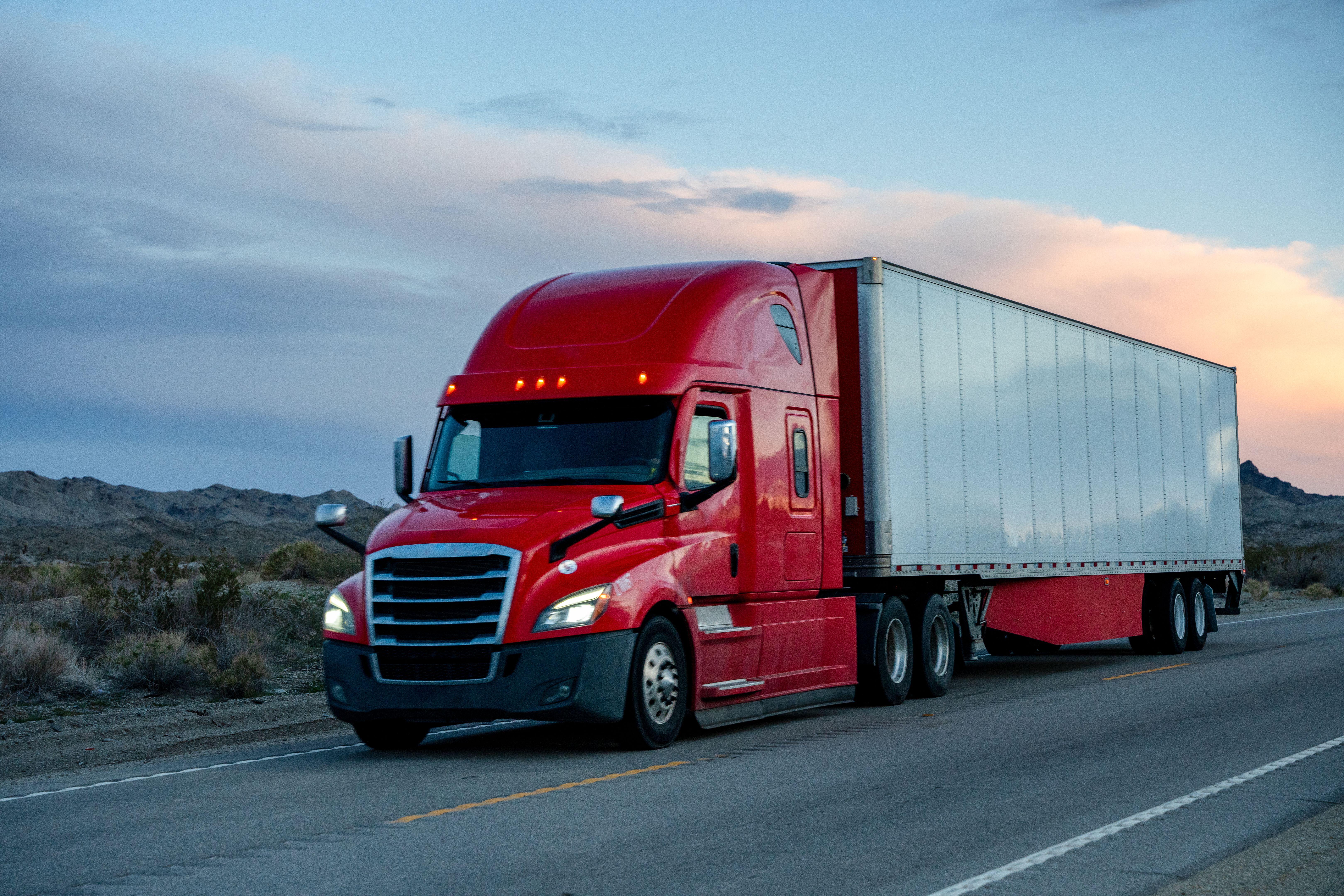
Additionally, leveraging technology such as route optimization software can further enhance efficiency. These tools can analyze traffic patterns, weather conditions, and other variables to determine the most efficient delivery routes.
Improving Customer Satisfaction
Timely delivery of products from warehouse to store directly impacts customer satisfaction. When shelves are well-stocked, customers are more likely to find what they need, leading to a positive shopping experience. This, in turn, fosters customer loyalty and encourages repeat business.
Moreover, efficient logistics can enable retailers to offer services like same-day or next-day delivery, meeting modern consumer expectations and enhancing the overall shopping experience.

Leveraging Technology for Better Outcomes
Technology plays a critical role in optimizing warehouse-to-store logistics. Advanced systems such as warehouse management software (WMS) and transportation management systems (TMS) help in coordinating and streamlining operations. These tools provide valuable data and insights that aid in decision-making and strategic planning.
By automating routine tasks and enhancing communication between warehouse and store teams, technology reduces errors and improves operational efficiency. This ultimately leads to a more agile and responsive supply chain.
Conclusion: A Strategic Advantage
In conclusion, efficient warehouse-to-store logistics is not just a logistical requirement but a strategic advantage for retailers. By enhancing inventory management, reducing costs, improving customer satisfaction, and leveraging technology, retailers can significantly improve their operational efficiency and profitability.
As the retail landscape continues to evolve, those who invest in optimizing their logistics processes will be better positioned to thrive in a competitive market.