Streamlining Your Warehouse-to-Store Logistics: Best Practices


In today's fast-paced retail environment, optimizing logistics from warehouse to store is crucial for maintaining efficiency and satisfying customer demand. Streamlining these processes can lead to reduced costs, improved delivery times, and enhanced service quality.
Understanding Warehouse-to-Store Logistics
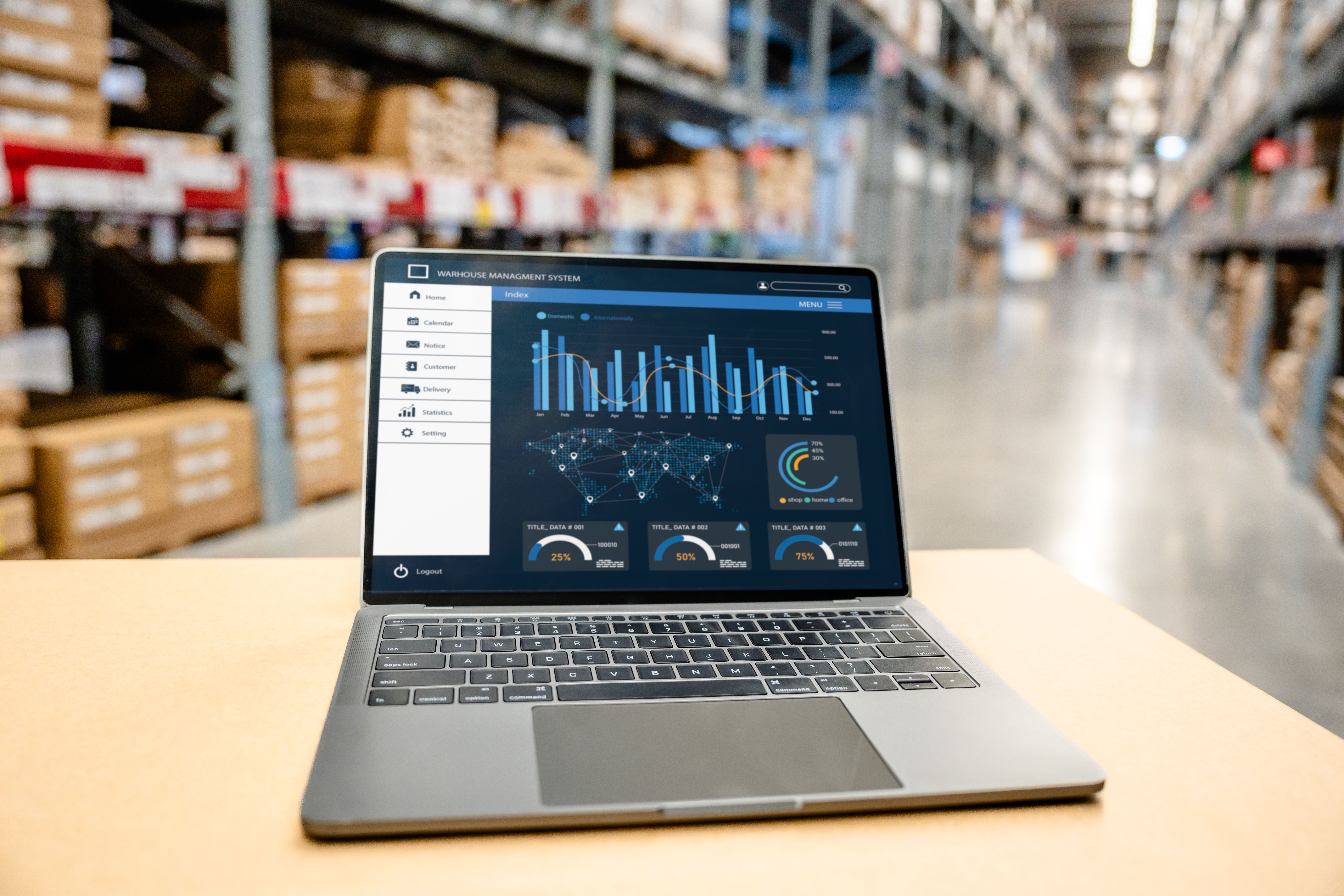
Warehouse-to-store logistics involves the movement of goods from storage facilities to retail locations. This process requires careful planning and execution to ensure products reach the shelves in a timely manner. Key aspects include inventory management, transportation coordination, and real-time tracking.
Effective Inventory Management
Managing inventory efficiently is essential for avoiding both overstock and stockouts. Implementing a robust inventory management system enables real-time tracking of stock levels and automated reordering. This helps maintain optimal inventory levels and reduces holding costs.
Enhancing Transportation Coordination
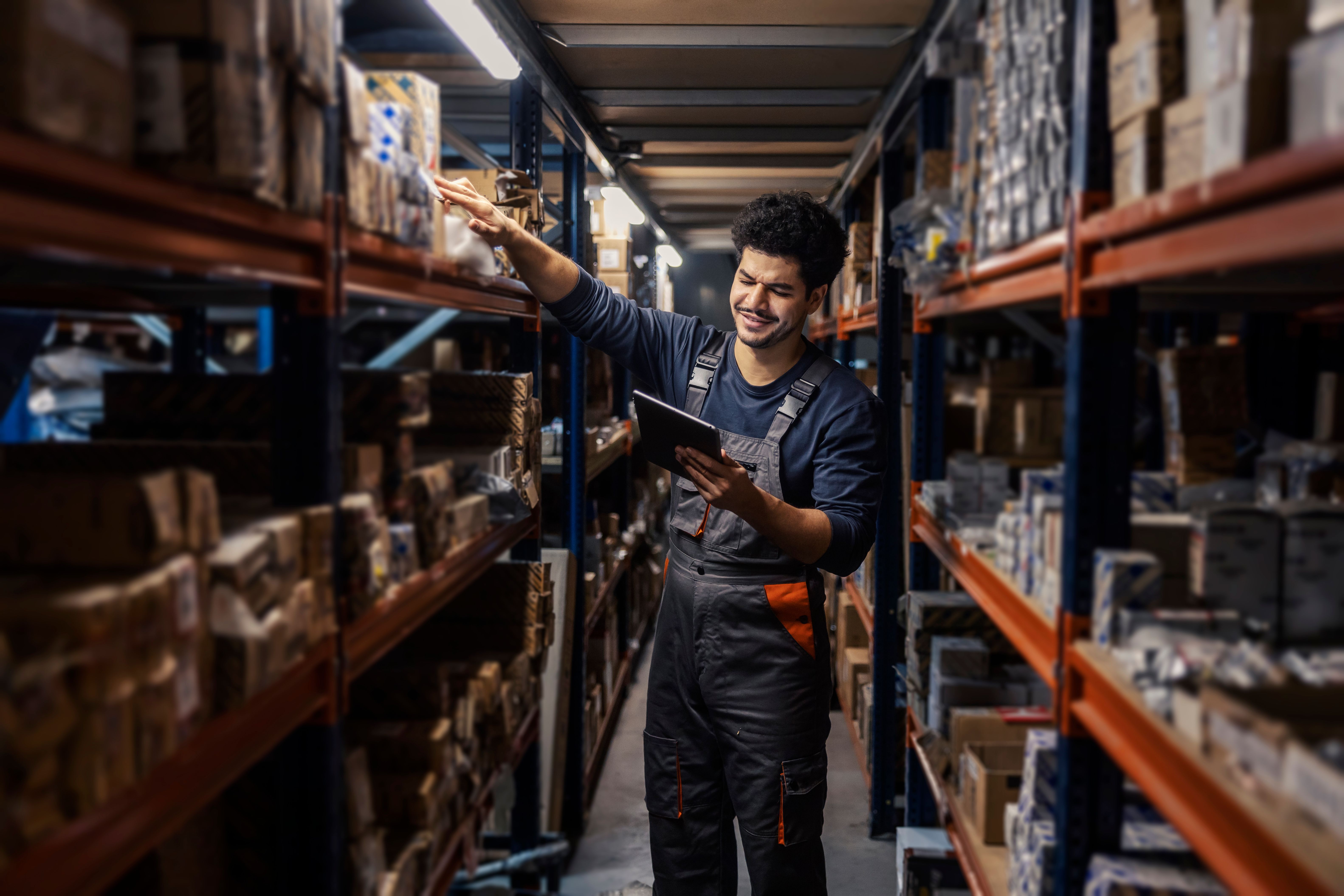
Transportation is a critical component in logistics. By selecting the right transportation partners and optimizing delivery routes, businesses can reduce transit times and costs. Technologies like GPS and route optimization software can greatly assist in this endeavor.
Moreover, establishing a strong relationship with reliable carriers ensures consistent service quality and timely deliveries, which are paramount for maintaining store operations.

Leveraging Technology for Real-Time Tracking
Real-time tracking systems provide visibility into the movement of goods, allowing businesses to monitor shipments and address any issues that arise promptly. These systems can be integrated with inventory management software to provide a comprehensive view of the supply chain.
Implementing Automated Solutions
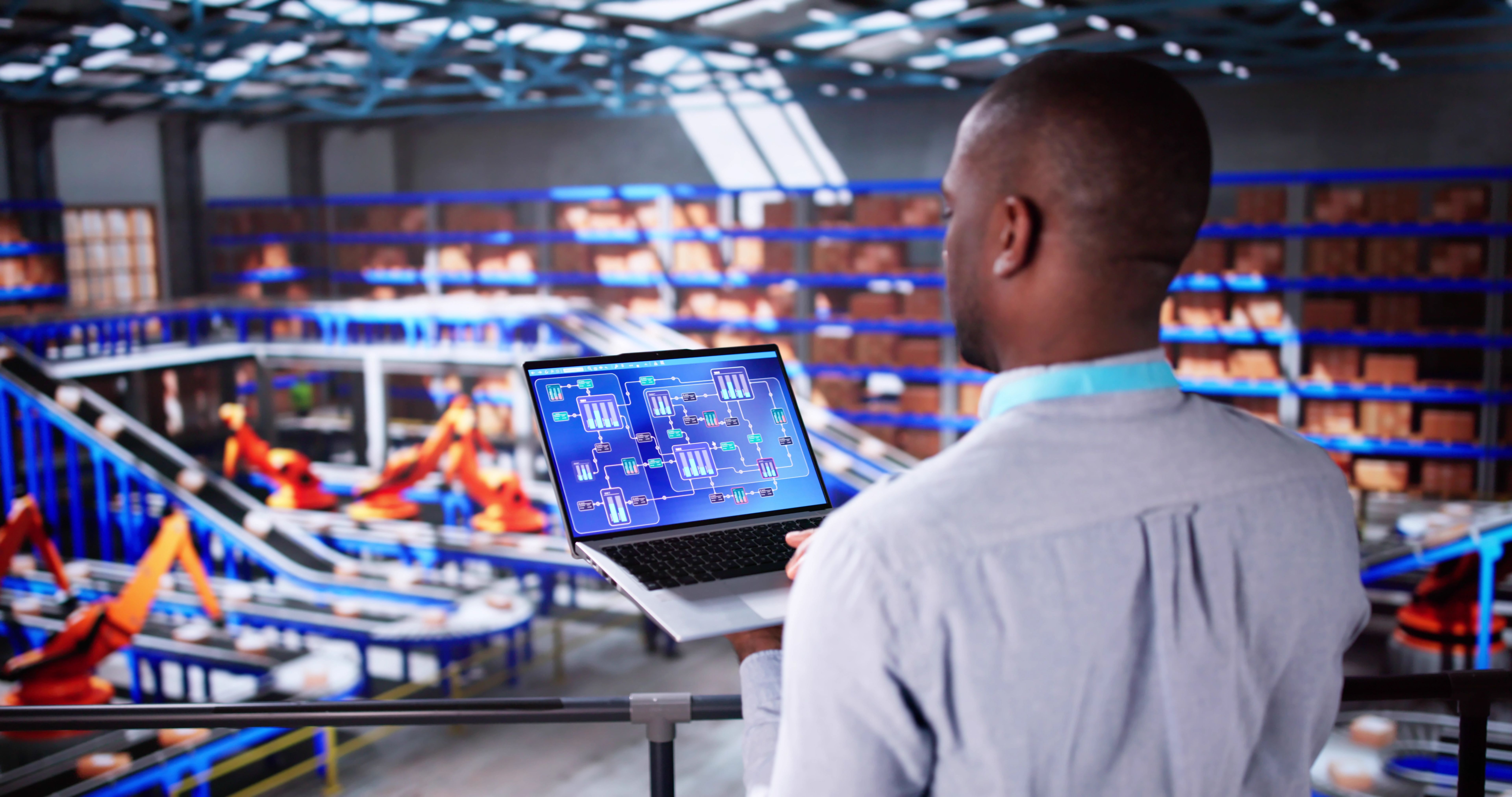
Automation in logistics can lead to significant efficiency gains. Automated guided vehicles (AGVs), robotics, and conveyor systems can enhance warehouse operations by reducing manual labor and speeding up the handling of goods.
- Automated Picking Systems
- Robotic Sorting Solutions
- Conveyor Belt Systems
These technologies contribute to reducing errors and increasing throughput, ultimately leading to faster delivery times.
Improving Communication and Collaboration
Strong communication channels between warehouses, transport providers, and stores are vital. Implementing collaborative platforms can facilitate real-time updates and coordination among all parties involved, ensuring smooth operations.
Regular Performance Analysis
Regularly analyzing logistics performance is essential for continuous improvement. By reviewing key performance indicators (KPIs) such as delivery times, cost per delivery, and accuracy rates, businesses can identify areas for enhancement.
- Review Delivery Times
- Assess Cost Efficiency
- Monitor Accuracy Rates
By adopting these best practices, companies can streamline their warehouse-to-store logistics, resulting in improved operational efficiency and customer satisfaction.