How to Optimize Your Supply Chain with Warehouse-to-Store Logistics


Understanding Warehouse-to-Store Logistics
Optimizing your supply chain with warehouse-to-store logistics involves streamlining the movement of goods from warehouses to retail locations. This process is crucial for ensuring that products are available when and where customers need them. By focusing on efficient logistics, businesses can reduce costs, improve delivery times, and enhance customer satisfaction.
Effective warehouse-to-store logistics require a strategic approach that considers various factors such as inventory management, transportation, and technology integration. By aligning these components, companies can achieve a seamless flow of products from warehouses to stores.
Implementing Advanced Inventory Management
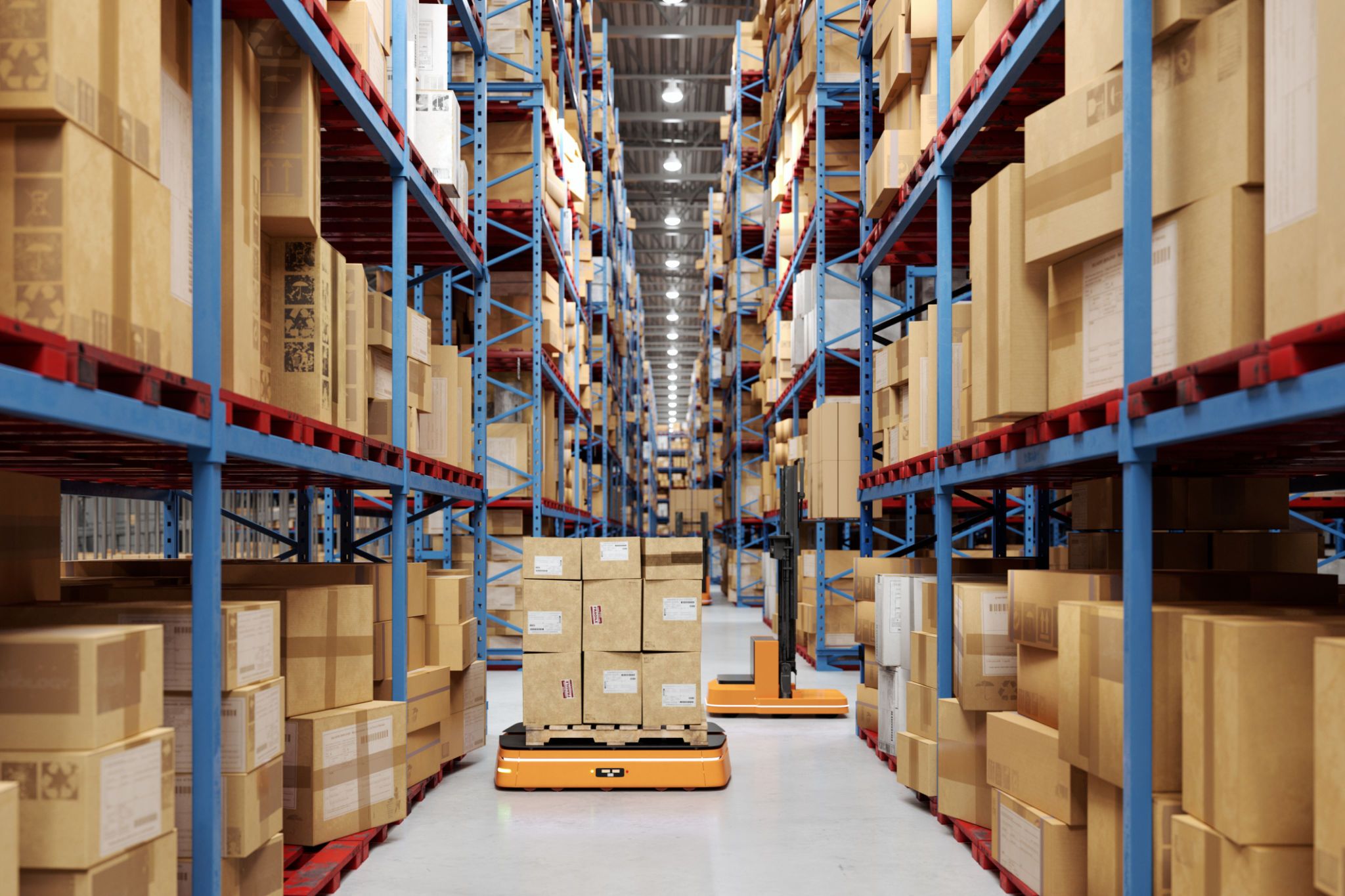
One of the key aspects of optimizing warehouse-to-store logistics is advanced inventory management. By utilizing sophisticated inventory systems, businesses can accurately track stock levels and predict demand. This helps in minimizing overstock and stockouts, ensuring that the right products are available at the right time.
Advanced inventory management tools can include automated reordering systems, real-time tracking, and data analytics. These technologies enable businesses to make informed decisions, thereby reducing waste and improving efficiency.
Enhancing Transportation Efficiency
Transportation plays a critical role in warehouse-to-store logistics. Efficient transportation ensures that products are delivered to stores quickly and cost-effectively. Companies can optimize their transportation strategies by selecting the right carriers, optimizing delivery routes, and leveraging technology for real-time tracking.

By investing in transportation management systems, businesses can gain insights into delivery performance, identify bottlenecks, and implement improvements. This not only reduces costs but also enhances delivery reliability.
Leveraging Technology for Seamless Operations
Technology integration is essential for optimizing warehouse-to-store logistics. Implementing systems like Warehouse Management Systems (WMS) and Transportation Management Systems (TMS) can streamline operations and improve communication between different parts of the supply chain.
These technologies provide real-time data and analytics, allowing businesses to monitor performance and make adjustments as needed. By leveraging technology, companies can enhance visibility, reduce errors, and improve overall efficiency.
Building a Collaborative Supply Chain
Collaboration is key to successful warehouse-to-store logistics. By working closely with suppliers, carriers, and retail partners, businesses can create a more responsive and agile supply chain. Sharing data and insights allows all parties to align their efforts and achieve common goals.
Establishing strong partnerships and open communication channels can lead to better coordination, faster problem-solving, and improved service levels. This collaborative approach is essential for adapting to changing market conditions and customer demands.
Continuous Improvement and Monitoring
Optimizing warehouse-to-store logistics is an ongoing process that requires continuous monitoring and improvement. By regularly reviewing performance metrics and seeking feedback from stakeholders, businesses can identify areas for improvement and implement necessary changes.
Adopting a culture of continuous improvement helps organizations stay competitive and responsive to market changes. Regular training and development for staff can also enhance skills and drive innovation.