Expert Tips for Preparing Your Pallets for Efficient Handling


Understanding the Basics of Pallet Preparation
Proper pallet preparation is essential for ensuring efficient handling and transportation. Pallets serve as a foundation for goods, and their condition can significantly impact the overall logistics process. Whether you are dealing with domestic shipping or international freight, taking a few key steps can make a substantial difference.
Firstly, always choose the right type of pallet. Consider the weight and size of your load, as well as the type of transportation. Wooden pallets are common, but plastic and metal options are available for specific needs. Ensure the pallet is in good condition and free from damage.

Securing the Load
Once you've selected your pallet, the next crucial step is properly securing the load. This involves arranging the items in a stable manner and using appropriate securing methods. Start by placing the heaviest items at the bottom and distributing the weight evenly. This helps maintain balance during movement.
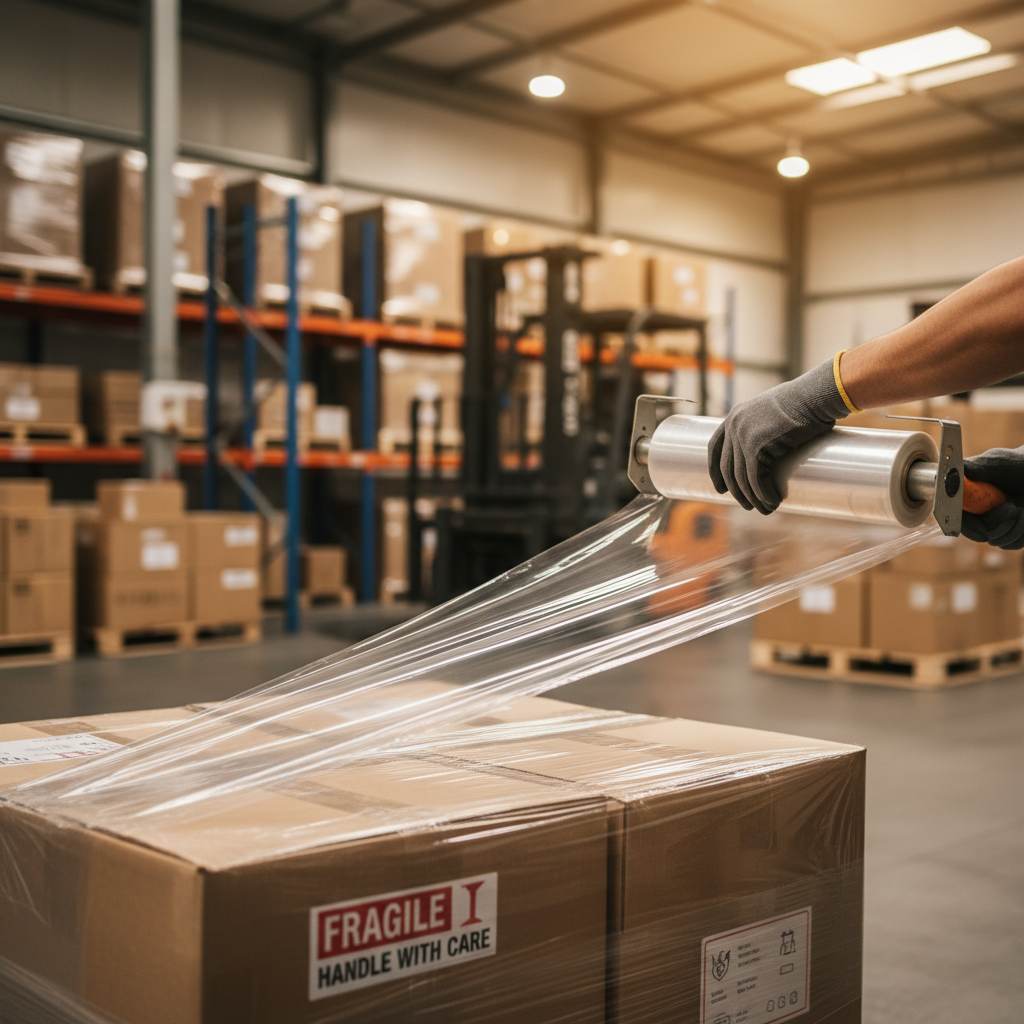
Utilize stretch wrap or shrink wrap to keep items tightly bound to the pallet. For added security, consider using straps or bands. These materials prevent shifting and reduce the risk of damage during transit.
Labeling and Documentation
Accurate labeling is vital for efficient pallet handling. Clearly mark each pallet with relevant information such as destination, contents, and handling instructions. This helps warehouse staff and transporters to quickly identify and process the pallets.
Additionally, ensure all necessary documentation is attached to the pallet. This includes shipping labels, invoices, and any required compliance paperwork. Proper documentation streamlines the logistics process and minimizes delays.

Optimizing for Forklift Handling
To facilitate smooth handling, make sure your pallets are optimized for forklift use. Place the pallet in a position that allows easy access for forklift tines. Avoid overhanging items that can obstruct or imbalance the load.
Consider the fork entry points and ensure they are accessible. Proper spacing prevents damage to both the pallet and goods during movement. Maintaining a clear space around the pallet also aids in efficient handling.
Regular Inspections and Maintenance
Regular inspection and maintenance of pallets are crucial for ensuring long-term efficiency. Check pallets for any signs of damage, such as cracks or splinters, before use. Addressing these issues promptly can prevent accidents and product damage.
Implementing a routine maintenance schedule helps in extending the lifespan of your pallets. Proper storage away from moisture and extreme temperatures can also preserve their integrity.

Training and Safety
Lastly, invest in training for your staff to ensure they are knowledgeable about proper pallet handling techniques. Safety should be a top priority, and well-trained personnel can significantly reduce the risk of accidents.
Provide guidelines on lifting techniques, load limits, and emergency protocols. Regular safety drills and updates can keep your team prepared and informed, promoting a safer working environment.